 By
By 
All Saints’ Day, celebrated on November 1, is one of the great celebrations of the Church year. On this day, we honor all the saints in heaven — those whose names and stories we know, as well as the countless faithful souls known only to God.
For families, it’s also a wonderful opportunity to help our children understand that the saints aren’t just people from long ago whose pictures we see in church. They are part of our Catholic family, they pray for us, and their lives show us the many different ways we can follow Christ.
And sainthood isn’t meant only for a select few. We are all called to become saints. Most of us probably won’t do that through dramatic acts of martyrdom or by founding a religious order. Our path to holiness is much more likely to run through ordinary family life — loving and serving the people God has placed before us, beginning again when we fail, and learning day by day to say yes to Him.
What Is All Saints’ Day?
All Saints’ Day is the Solemnity of All Saints, when the Church celebrates all those who have reached heaven and now live in the presence of God.
It is part of a beautiful three-day period sometimes called Allhallowtide. It begins with All Hallows’ Eve on October 31, followed by All Saints’ Day on November 1 and All Souls’ Day on November 2, when we remember and pray for the faithful departed.
All Saints’ Day also gives us a wonderful way to introduce children to the communion of saints. When we say in the Apostles’ Creed that we believe in the “communion of saints,” we’re talking about a Church that is bigger than the people sitting beside us at Mass. In Christ, we are united with the faithful on earth, those being purified after death, and the saints already in heaven.
The saints are not simply heroes we admire from a distance. They are our brothers and sisters in Christ, and we can ask them to pray for us just as we ask our family and friends here on earth to pray for us.
If you’d like a Scripture reading to share as a family, the Beatitudes in Matthew 5:1–12 are especially fitting. They are proclaimed at Mass on All Saints’ Day and give us a beautiful picture of the kind of life Christ calls blessed – merciful, peaceful, pure of heart, and hungry for righteousness.
Then, once your children know what we’re celebrating, you can have some fun with it.
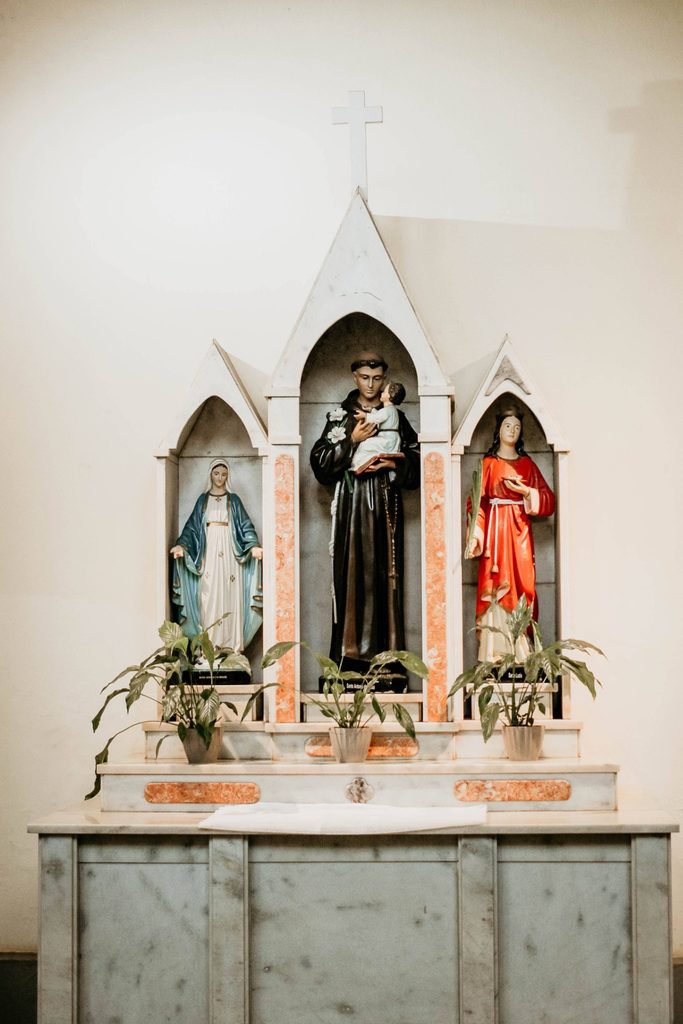
Ways to Celebrate All Saints’ Day as a Family
You don’t need an elaborate plan to make All Saints’ Day meaningful for your family. Choose one or two traditions that fit your children’s ages and your family’s schedule or try a few and see which ones become traditions you look forward to year after year.
1. Celebrate the Solemnity at Mass
What better way to celebrate the saints than by joining them at Mass?
All Saints’ Day is a holy day of obligation in some countries, including the United States, although the obligation can vary depending on the year and local bishops’ conference. In Canada, it is not a holy day of obligation. Whether or not you are required to attend where you live, going to Mass is a beautiful way to put the liturgy at the heart of your family’s celebration.
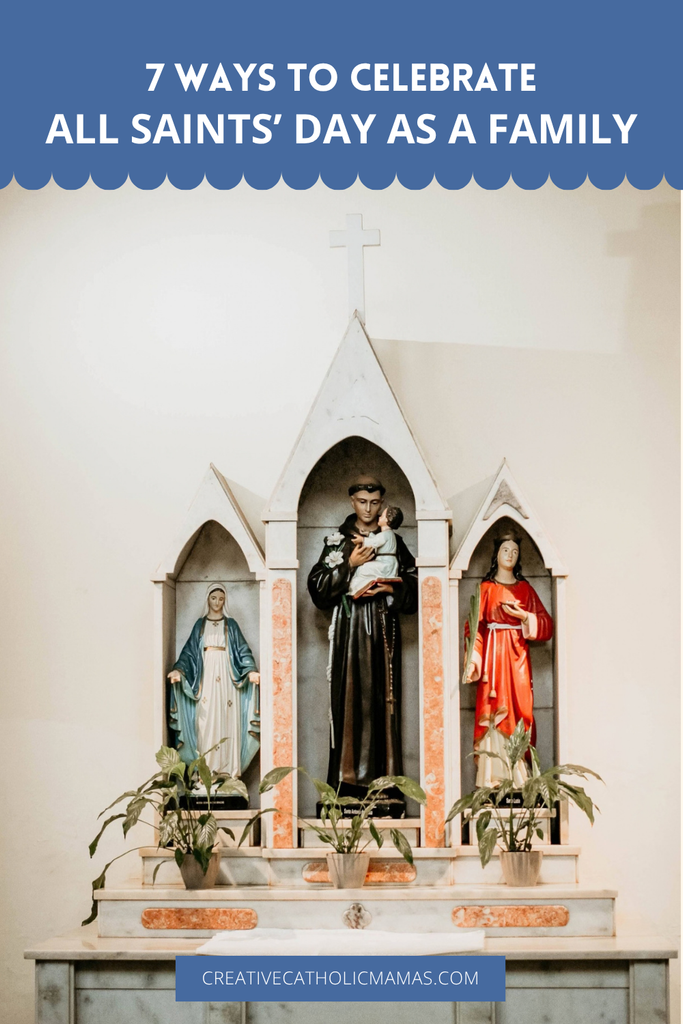
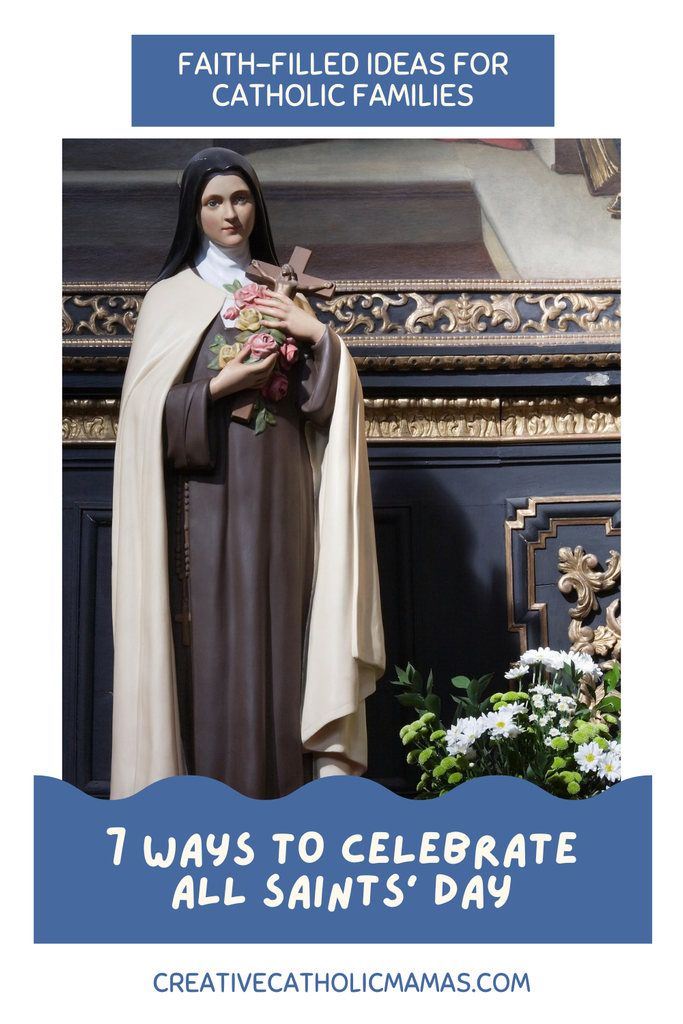
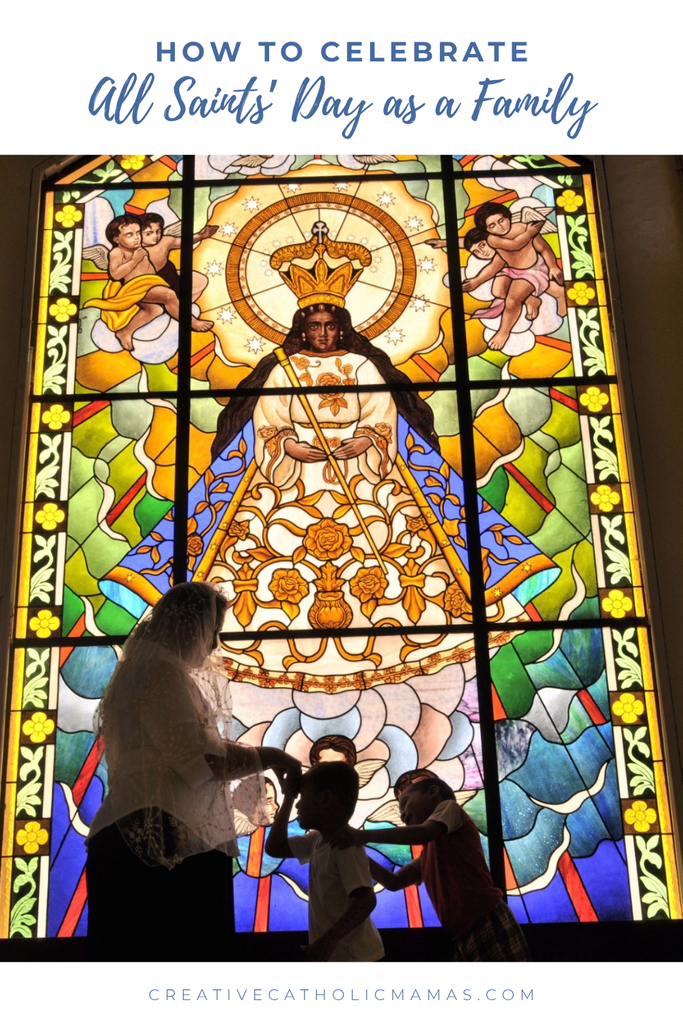
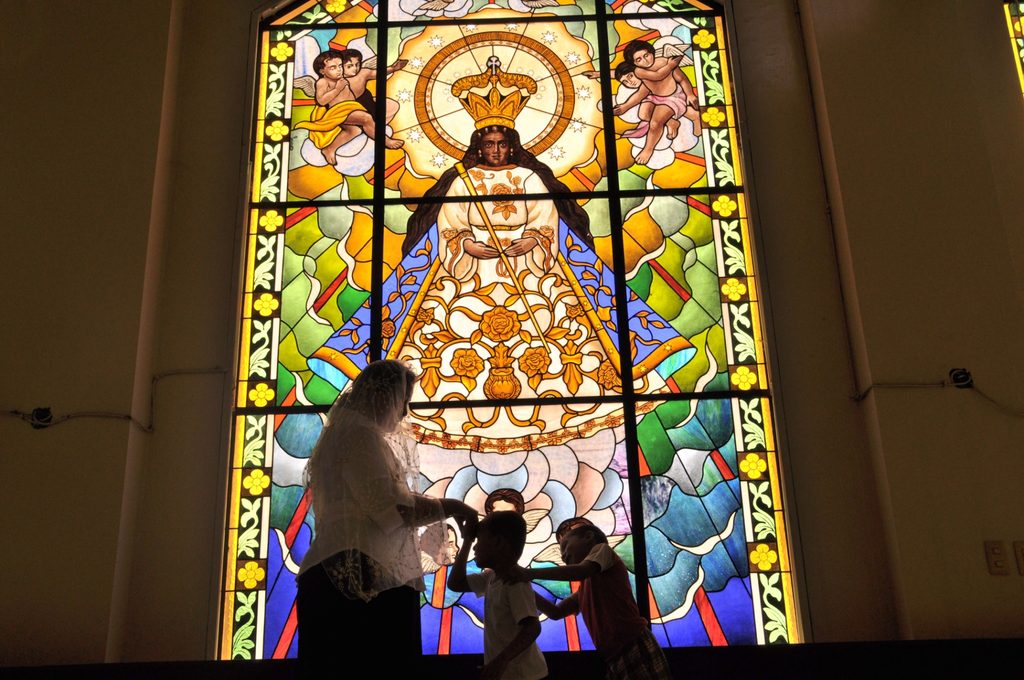
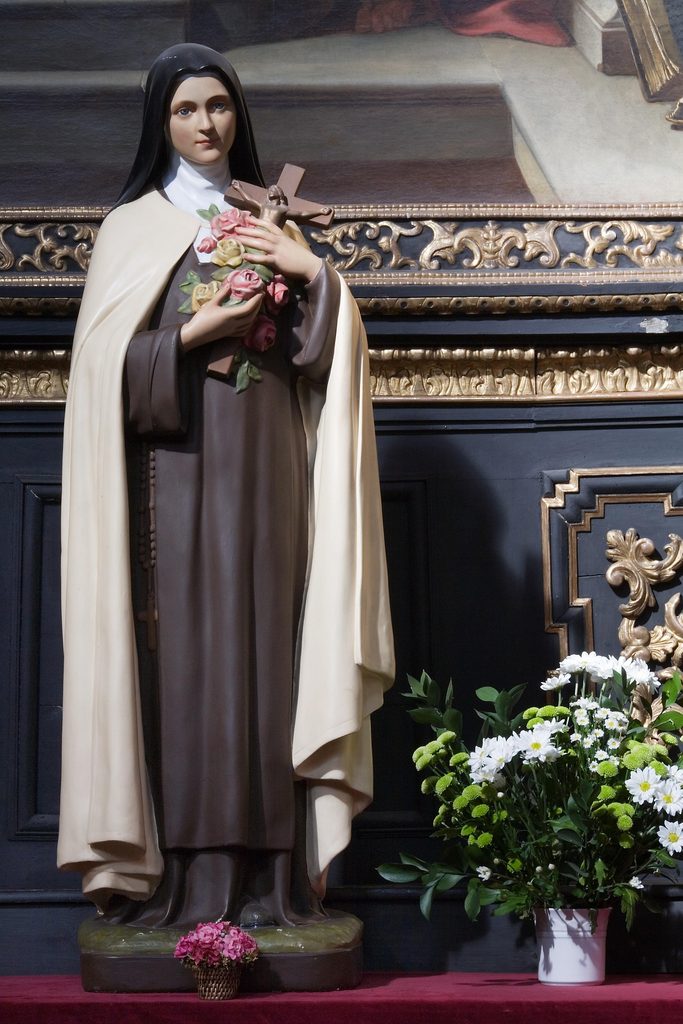
If you have younger children, you might talk about the saints before Mass and invite them to look around the church for statues, stained-glass windows, or other images of saints they recognize. Older children might enjoy noticing which saints are mentioned during the Eucharistic Prayer or listening for the Beatitudes in the Gospel.
And because a solemnity really is a celebration, consider adding something festive afterward. It doesn’t have to be elaborate — a special breakfast, dessert after dinner, or even stopping for a favorite treat on the way home from Mass can help children experience All Saints’ Day as a feast day rather than simply another day on the calendar.
2. Dress Up as a Favorite Saint
Saint costumes are a classic All Saints’ Day tradition, and they don’t need to be complicated or expensive.
Let each child choose a saint they’re interested in and see what you can create from things you already have around the house. A bathrobe, scarf, sheet, toy sword, basket, stuffed animal, or homemade paper halo can go a surprisingly long way. The goal isn’t a historically perfect costume; it’s helping children become curious about the real person behind it.
If your parish, Catholic school, or homeschool group holds an All Saints’ Day party or parade, children can dress as their chosen saints and share a few facts about them. But you certainly don’t need an organized event to do this at home.
You could even turn it into a guessing game. Have each person give a few clues about their saint’s life and see whether the rest of the family can figure out who they are.
And don’t feel as though saint costumes are only for little kids. Older children and teens might prefer choosing a lesser-known saint, researching an unusual patron saint, or challenging the rest of the family with especially difficult clues.
3. Read, Watch, or Tell Stories About the Saints
One of the simplest ways to help children form a relationship with the saints is to get to know their stories.
Pull out a favorite saint book, watch a short video together, or simply tell your children the story of a saint you love. You don’t need to turn it into a lesson afterward. Sometimes a good story is enough to spark curiosity all on its own.
And don’t be afraid to go beyond the handful of saints your children already know. The communion of saints is filled with people from different countries, cultures, centuries, occupations, and walks of life. There are saints who were parents and children, teachers and doctors, farmers and scholars, kings and servants, missionaries and contemplatives.
You might let each family member choose a saint to learn about and then share one thing that surprised or interested them. What did this person struggle with? What did they love? How did they follow God in the particular circumstances of their life?
This can also be a good opportunity to talk about the saints your family members are named for, patron saints connected to your lives, or the Confirmation saints chosen by older children and adults in the family.
The more we learn about the saints, the easier it becomes to see that there isn’t just one way to become holy. God worked through each of them differently just as He works differently in each of us.
4. Create a Family Litany of Saints
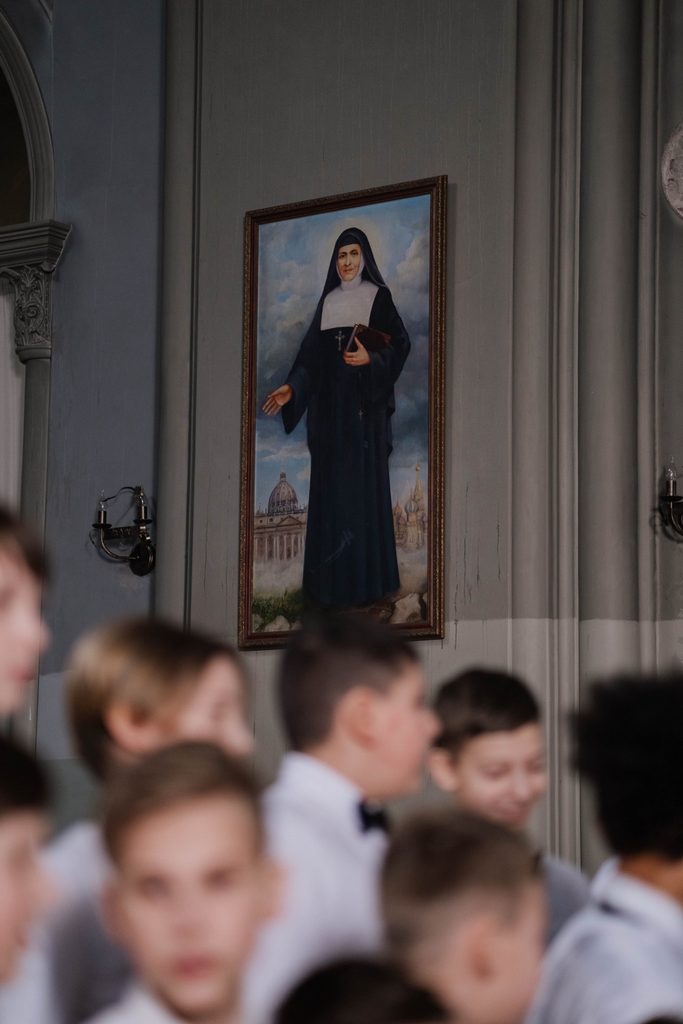
All Saints’ Day is a perfect time to think about the saints who have a special connection to your family.
Start by making a list together. Include the patron saints of family members, Confirmation saints, saints whose names you share, and saints your family has developed a particular devotion to. You might also include patron saints connected to your work, hobbies, heritage, or circumstances in life.
Then turn your list into a simple family litany. One person can read each saint’s name, with everyone responding, “Pray for us.”
You could write the names on individual cards and place them in a basket near your family prayer space, add them to a banner, or simply keep the list tucked inside a family Bible. Younger children might enjoy drawing pictures of their saints, while older children could add a sentence about why each saint is important to your family.
Over time, your family litany can grow. When you discover a new saint whose story touches your family, add that saint to the list. It can become a lovely record of the heavenly friends who have accompanied your family through different seasons of life.
5. Pray with the Saints
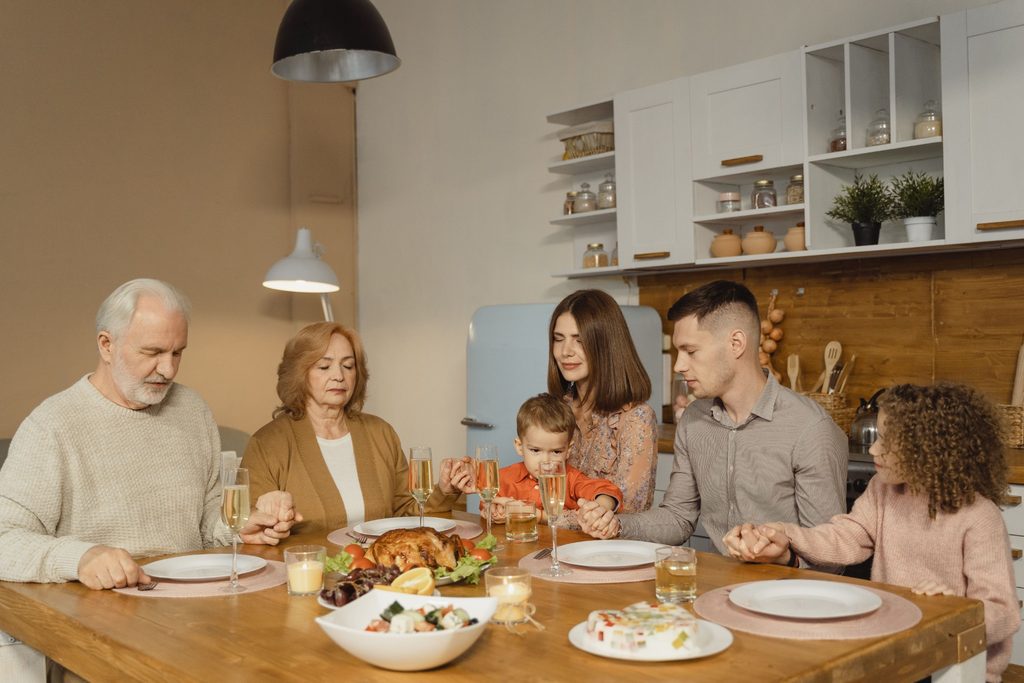
Set aside a little time during the day to pray together and ask the saints to intercede for your family.
You might pray a family Rosary, asking a different saint for their prayers before each decade. If a full Rosary is a bit much for your family right now, pray just one decade together. You could also choose a favorite saint and ask for that saint’s intercession for a particular intention your family is carrying.
Another simple option is to let each person choose a saint and an intention. Take turns saying something as simple as, “St. Joseph, please pray for Dad in his work,” or “St. Thérèse, please pray for Grandma.”
This is also a good opportunity to help children understand what Catholics mean when we ask the saints to pray for us. We don’t worship the saints or pray to them instead of God. We ask for their prayers just as we ask our family and friends on earth to pray for us.
Keep it as simple as you need to. A few sincere minutes of family prayer can be a meaningful way to celebrate All Saints’ Day.
6. Celebrate with a Special Food or Treat
Feast days are meant to be celebrated, and food is one of the easiest ways to make All Saints’ Day feel special.
You could make a favorite family meal, bake a special dessert, or choose a food connected with one of the saints your family loves. Look for traditional foods associated with a saint’s country or culture, or find a recipe connected with that saint’s story or symbols.
Children might enjoy halo-shaped cookies, angel food cake, or cupcakes decorated for the occasion. You could also let each child choose a saint and help plan a dish inspired by that saint.
There’s no need to create an elaborate themed menu. Even something as simple as serving dessert on a weeknight when you normally wouldn’t can signal that this is a day worth celebrating.
If you find a particular recipe or treat your family loves, make it again next year. Some of the best family traditions begin simply because everyone says, “We have to do this again!”
7. Practice a Work of Mercy
The saints didn’t simply believe in God. Their faith shaped the way they loved and served the people around them. All Saints’ Day is a wonderful opportunity to put that same faith into action as a family.
Choose a simple corporal or spiritual work of mercy that fits your family and the season of life you’re in. You might donate food to a local food bank, visit someone who is lonely, write a note to someone who could use encouragement, pray for someone who is struggling, or make a donation to a charity your family supports.
With older children, you could look over the corporal and spiritual works of mercy together and let them choose one. Talk about ways your family already practices them and where you might be able to do more.
It doesn’t have to be a big project. Small acts of love and mercy are part of how we learn to become saints right where God has placed us.

Grab your FREE Daily Prayer Companion here >>> Prayer Companion
A Family Prayer for All Saints’ Day
Heavenly Father,
Thank You for the saints who have gone before us and for the example of their lives.
Help us to follow Jesus faithfully in our own lives. Give us the grace to love You, to love one another, to forgive when it is difficult, and to serve those who need us.
Thank You for the communion of saints and for all those in heaven who pray for us. May their example encourage us when following You is difficult, and remind us that we are all called to holiness.
All you holy men and women, pray for us.
Amen.
Celebrating All Saints’ Day in Your Own Family
There is no one right way to celebrate All Saints’ Day at home. Your family might attend Mass and come home for a special dessert. Your children might spend the afternoon dressed as saints, or you might simply read a saint story together before bed.
Choose the traditions that fit your family. You can always add more another year.
What matters most is helping our children understand that the saints are not distant figures from the past. They are part of the Church, part of our Catholic family, and examples of what can happen when ordinary people keep turning toward God and cooperating with His grace.
All Saints’ Day gives us a chance to celebrate them, ask for their prayers, and remember the hope we share with them: that by God’s grace, we too may one day join that great communion of saints in heaven.